Why Buying Repiping Solutions Is Essential for Your Home's Pipes Health
Repiping services play a vital function in maintaining a home's plumbing wellness. With time, pipelines can rust, leak, or become clogged, leading to potential threats and inadequacies. House owners commonly ignore the indications of weakening plumbing, which can cause considerable damage. Recognizing the need for repiping is essential. What variables should home owners think about before making this investment? The solutions may stun you.
Recognizing the Relevance of Repiping
While lots of property owners may forget the importance of repiping, it plays a necessary function in keeping the general health of a pipes system. Over time, pipelines can corrode, establish leaks, or become clogged with natural resource, leading to decreased water quality and circulation stress. Repiping addresses these problems by replacing old, broken pipelines with new, resilient materials, ensuring a reputable water system and minimizing the risk of costly fixings linked with leaks and water damage. Furthermore, contemporary piping products are typically much more efficient and eco-friendly, adding to reduced energy expenses and improved water preservation. Performing a repiping task can boost a home's resale worth, making it a prudent financial investment for homeowners. Inevitably, acknowledging the relevance of repiping allows homeowners to take aggressive procedures in protecting their pipes systems and making sure a safe, useful living environment for their family members.
Typical Indicators That Show the Demand for Repiping
Property owners need to be alert for particular indications that suggest the need for repiping, as ignoring these problems can cause extra extreme plumbing issues. One typical indication is the existence of regular leaks, which can recommend aging or deteriorating pipelines. Furthermore, a recognizable decrease in water stress may indicate obstructions or deterioration within the plumbing system. Property owners could additionally notice tarnished or rusty water, signaling pipe deterioration. Inexplicable water bills that are substantially greater than common can additionally hint at leaks hidden within the walls. In addition, the growth of mold and mildew or mildew in locations near plumbing fixtures can recommend dampness problems stemming from harmed pipelines. If the home has old galvanized piping, it may be time to believe about repiping, as this product is vulnerable to corrosion and corrosion. Recognizing these signs early can help keep a healthy pipes system.
The Risks of Ignoring Pipes Issues
Ignoring pipes problems can result in substantial water damages, which may compromise the architectural honesty of a home. Furthermore, unsettled leaks can produce an atmosphere for mold development, presenting significant carcinogen to residents. Dealing with pipes issues quickly is vital to secure both residential or commercial property and well-being.
Water Damage Problems
When pipes problems go unaddressed, the danger of water damages intensifies significantly. Leaks, trickles, and fractures in pipelines can cause significant water intrusion, jeopardizing the structural integrity of a home. In time, also small leakages can cause rot, mold and mildew growth, and damages to walls and floor covering, leading to costly repair services. Water damages can additionally influence electrical systems, creating dangerous conditions. Home owners often undervalue the advancing impact of small leakages, which can lead to extensive damage if not promptly attended to. Neglecting pipes concerns not just boosts the chance of immediate damage but can also diminish home value and posture long-lasting monetary concerns. Because of this, prompt repiping solutions are important to stop water damage and maintain a healthy home environment.

Health Hazards Increase
Unresolved pipes concerns can cause considerable health risks within a home. Infected water from corroded pipelines can lead and introduce unsafe germs to serious health problems. Mold development, typically an outcome of leakages and excess wetness, poses respiratory system risks and can activate allergic responses. Additionally, stagnant water can bring in insects such as rats and insects, which lug conditions that additionally jeopardize family members health. Neglecting these pipes troubles not just endangers the security of citizens however can also diminish residential or commercial property worth. As a result, addressing pipes concerns via repiping solutions is essential. Prompt treatment not just safeguards health and wellness however also ensures a risk-free living setting, preventing more extensive damages and costly fixings down the line.
Various Kinds Of Piping Materials
Piping products are an essential part in plumbing systems, influencing longevity, efficiency, and general efficiency. Various options are readily available, each with distinct properties and applications. Copper piping is understood for its long life and resistance to rust, making it a preferred option for both cold and hot water lines. PVC (polyvinyl chloride) is light-weight, affordable, and resistant to chemical damages, primarily used for drain and air vent systems. PEX (cross-linked polyethylene) has actually obtained appeal due to its versatility and convenience of setup, allowing for less joints and prospective leakage factors. Galvanized steel, though when usual, is much less positive today as a result of its susceptibility to rust and lowered water flow over time. Each product provides distinctive benefits and downsides, making it crucial for house owners to consult with plumbing experts to establish one of the most suitable alternative for their particular needs and conditions. Selecting the ideal piping material can considerably impact the efficiency and security of a plumbing system.
The Repiping Refine: What to Anticipate
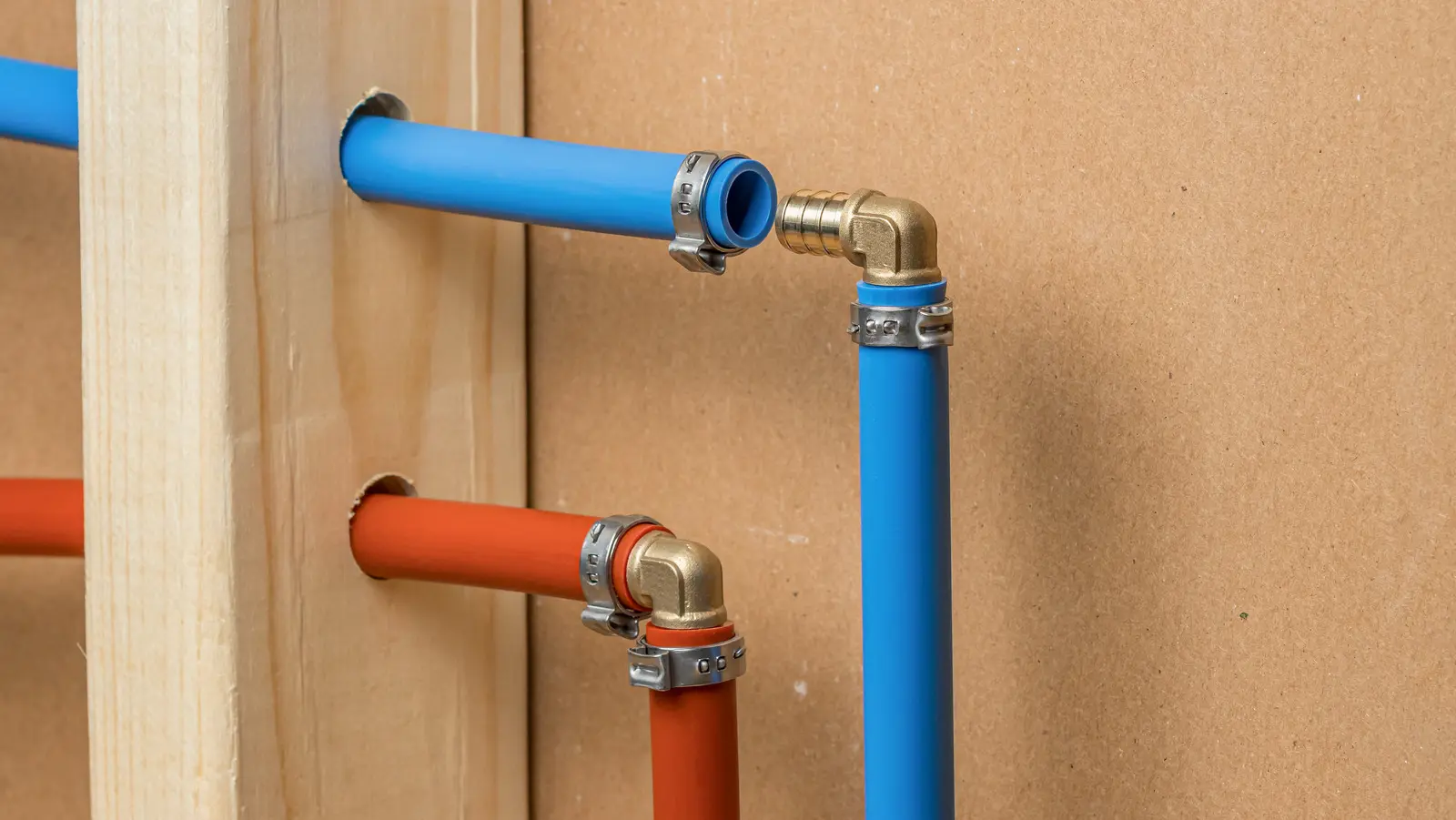
The repiping process begins with a comprehensive evaluation of the existing pipes to recognize concerns and determine the most effective training course of action. Following this analysis, house owners will require to select appropriate substitute materials that match their pipes requires. A review of the installment procedure will provide insights right into what to expect throughout this considerable home enhancement.
Analysis of Existing Pipelines
Picking Substitute Products
After examining the existing pipes, house owners deal with the vital choice of selecting proper replacement products for their plumbing system. Typical alternatives consist of copper, PVC, PEX, and CPVC, each with distinctive advantages and disadvantages. Copper is known for its longevity and resistance to corrosion, making it a resilient selection. PVC is lightweight and cost-effective, suitable for drainpipe and air vent lines. PEX offers flexibility and is resistant to scale and chlorine, making setup simpler in tight areas. CPVC is comparable to PVC but can endure higher temperatures. Home owners have to take click here into consideration elements such as budget plan, regional building codes, and the specific demands of their plumbing system when making this decision, making sure ideal efficiency and long life for their home's plumbing facilities.
Setup Refine Introduction
Repiping a home can be a considerable endeavor, but recognizing the installation process helps homeowners plan for what exists ahead. The procedure generally begins with a comprehensive inspection of the existing pipes system to determine trouble areas. Next off, a thorough strategy is formulated, laying out the essential materials and timelines. On the installment day, specialists will certainly commonly start by turning off the supply of water and draining pipes the existing pipelines. They then eliminate the old piping, which might entail opening up walls or ceilings for access. New pipes website are set up, guaranteeing they satisfy current plumbing codes. The system is evaluated for leaks, and any openings are fixed. House owners can anticipate a reliable and tidy process, reducing disruption to their every day lives.
Long-Term Advantages of Repiping Your Home
While lots of home owners might forget the relevance of upgrading their plumbing, the long-lasting benefits of repiping a home can greatly enhance both its value and performance. Among the primary advantages is enhanced water high quality. Older pipes may nurture pollutants and rust, while new piping assurances tidy and safe water delivery. In addition, repiping can bring about enhanced water stress, making daily jobs more efficient.
An additional benefit is the reduction in plumbing issues. Out-of-date systems are vulnerable to bursts and leaks, which can cause pricey repair services and water damages. By spending in repiping, home owners can substantially reduce the chance of these issues. In addition, modern-day materials used in repiping are more resistant and resilient to deterioration, extending the lifespan of the pipes system.
How to Choose the Right Plumbing Solution for Repiping
Just how can home owners ensure they pick the most effective pipes service for repiping? First, they need to investigate neighborhood plumbing business, concentrating on those that concentrate on repiping solutions. Reviewing online evaluations and testimonies can offer understandings right into the top quality of solution used. It's vital to look for proper licensing and insurance policy, ensuring the chosen firm abide by local laws.
Homeowners must likewise ask for detailed estimates from numerous suppliers to contrast rates and services supplied. Involving straight with prospective plumbings can assist analyze their knowledge, interaction abilities, and desire to answer concerns. Repipe company in Houston. On top of that, requesting references from previous clients can verify a business's reliability and workmanship
Home owners should consider the firm's service warranty plans on products and labor, as this can reflect their dedication to top quality. By following these standards, house owners can make an informed choice, safeguarding their pipes health and wellness via efficient repiping services.
Regularly Asked Inquiries
How much time Does a Typical Repiping Job Require To Total?
A regular repiping project usually takes between one to 5 days to finish, depending upon the dimension of the home and intricacy of the pipes system. Correct preparation and contractor competence can influence total duration significantly.
Will Repiping Boost My Home's Resale Value?
Repiping often boosts a home's resale value, as possible buyers appreciate updated pipes systems. This improvement lowers potential plumbing concerns, making the residential property more eye-catching and potentially justifying a greater asking price throughout sale arrangements.
Can I Keep in My Home During Repiping?
Throughout repiping, remaining in the home is commonly possible, but it might depend upon the degree of the work. Homeowners ought to prepare for temporary disruptions and talk to professionals for particular arrangements and safety factors to consider.
What Is the Typical Price of Repiping a Home?
The typical cost of repiping a home usually ranges from $4,000 to $15,000, depending upon variables such as the size of the house, products utilized, and labor prices linked with the plumbing work. Repiping.
Do I Need a Permit for Repiping Solutions?
An authorization is typically needed for repiping solutions, check here as it ensures conformity with regional building ordinance and policies. Property owners ought to consult their local authority or a licensed plumber to identify specific permitting needs for their area.
Repiping solutions play a crucial duty in preserving a home's plumbing health. While numerous property owners might neglect the value of repiping, it plays an essential function in preserving the general health of a plumbing system. Property owners should be cautious for specific signs that suggest the requirement for repiping, as neglecting these concerns can lead to extra severe pipes problems. While many property owners may neglect the relevance of updating their plumbing, the long-term benefits of repiping a home can greatly enhance both its value and performance. A regular repiping job typically takes between one to 5 days to finish, depending on the size of the home and intricacy of the pipes system.